Trump Declares Iran Blockade: Polymer Prices Hit All-Time Records
US-Iran talks collapse, Trump declares full naval blockade. ICIS records steepest chemical price rise since 2000. Braskem rations PE. Region-by-region tracker.

Pedro Zaccaria
Head of Technology

Part 6 of the Hormuz Crisis series: Week 1 | Week 2 | Week 3 | Week 4 | Week 5 | This article
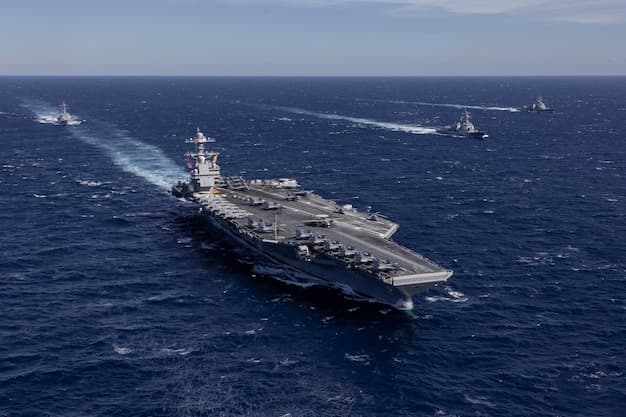
Twenty-one hours of face-to-face negotiations in Islamabad. Then nothing. On April 13, the talks collapsed, and President Trump ordered a full US naval blockade of all ships entering or exiting Iranian ports, effective April 14 at 10:00 AM EDT. Oil surged 7%+ back above $100. Iran’s IRGC warned of a “deadly vortex.”
But for polyethylene and polypropylene buyers, the blockade declaration is not the real headline. The real headline is that global polymer prices were already at all-time records before it was announced.
Key Takeaways — April 13, 2026
- Peace talks collapsed after 21 hours in Islamabad. Trump declared a full naval blockade of Iranian ports effective April 14. The ceasefire from April 8 is effectively dead. Oil surged 7%+ to ~$102/bbl.
- ICIS recorded the steepest chemical price increase since its index launched in 2000 — the Global Petrochemical Index surged 32.7% month-on-month in March. April will be worse.
- European ethylene contracts settled at a record €450/tonne increase, nearly double the previous record set after Russia invaded Ukraine. LLDPE up 44.4%, LDPE up 38.2%.
- Braskem is rationing PE in Brazil — only 70–75% of demand will be served this month. LDPE surged from R$9.80/kg to R$23/kg in 30 days. ABIPLAST says it exceeds even pandemic-era disruptions.
- LyondellBasell targets $0.35/lb cumulative PE hikes through May; Dow at $0.30/lb. Spot railcars trading in the $0.60–$0.70s/lb range, up from the low $0.30s in January.
- Force majeures expanded to LG Chem (S. Korea), NSRP (Vietnam), and Formosa (Taiwan). QatarEnergy FM extended to mid-June.
- ICIS estimates 12–18 months for Middle East PE exports to recover, even after the Strait reopens.
The Blockade: What Happened and Why It Matters
The timeline of collapse was swift. On April 8, the US and Iran agreed to a two-week ceasefire mediated by Pakistan. By April 11, face-to-face talks began in Islamabad. They lasted 21 hours and produced no agreement. Iran demanded the ceasefire extend to Lebanon, where Israeli strikes have killed over 2,000 people. The US refused.
Within hours, Trump ordered the blockade. CENTCOM stated that non-Iranian port traffic “will not be impeded” — but the message to markets was clear: there is no diplomatic off-ramp for the near term. The ceasefire expires April 21. Axios reported mediators are scrambling to revive talks, but both sides are entrenching.
For the polymer supply chain, the blockade eliminates the one scenario that could have begun to ease the crisis: a negotiated reopening of the Strait. With that off the table, the 12–18 month recovery timeline ICIS cited on April 13 starts later, not sooner.
Oil’s Whipsaw Week: $109 to $95 to $102 in Seven Days
Brent crude swung $14/bbl in a single week as ceasefire hopes collided with the blockade declaration:
| Date | Event | Brent ($/bbl) | WTI ($/bbl) |
|---|---|---|---|
| Apr 7 | Trump’s 48-hour ultimatum expires; physical oil hits $150 spot | $109.59 | $110.40 |
| Apr 8 | Ceasefire announced in Islamabad | $103.40 | $99.20 |
| Apr 9 | Goldman cuts Q2 forecast to $90/bbl | $95.92 | $93.10 |
| Apr 10 | ADNOC CEO: “The Strait is not open” | $95.20 | $92.80 |
| Apr 11–12 | Talks collapse after 21 hours in Islamabad | $95 → rising | $96.30 |
| Apr 13 | Blockade confirmed; oil surges 7%+ | ~$102.28 | ~$104.03 |
OPEC Production: Largest Monthly Decline on Record
The OPEC Monthly Oil Market Report published April 13 revealed crude production fell 7.9 million bpd in March to 20.79 million bpd — the steepest monthly decline on record. Saudi Arabia dropped to 7,763 thousand bpd (lowest since June 2020). Iraq collapsed from 4.2 million to 1.63 million bpd.
Responses have been inadequate. OPEC+ agreed on April 5 to a symbolic 206,000 bpd output increase for May — less than 3% of the production lost. The IEA launched its largest-ever coordinated reserve release of 400 million barrels. The US has committed to lending 172 million barrels from the SPR through 2027, with 8.5 million barrels released on April 10.
“We’ve never before seen the strait close, and we’ve never seen it reopen. What exactly that looks like remains to be seen. Full restoration of flows will take months.”
— Tristan Abbey, EIA Administrator, EIA Short-Term Energy Outlook, April 7, 2026
What the Banks Are Forecasting
| Bank | Q2 2026 Brent | Key Warning |
|---|---|---|
| Goldman Sachs (Apr 9) | $90/bbl (if ceasefire holds) | “Another month of Hormuz closure means over $100 Brent throughout 2026” |
| Morgan Stanley (Apr 13) | $110/bbl | Supply chains take “several months to fully stabilize even if disruptions ease” |
| JPMorgan (Apr 10) | $100+/bbl | Could hit $120 if Hormuz closed through July |
| UBS (Apr 13) | $100/bbl by June | “Risk of a short-term price overshoot, with Brent potentially above $150” |
| EIA STEO (Apr 7) | $115 peak, $96 avg | Assumes war ends by April; shut-ins fall from 9.1M to 6.7M bpd in May |

The Steepest Chemical Price Increase on Record
The ICIS Global Petrochemical Index (IPEX) for March 2026 posted a 32.7% month-on-month surge — the steepest since the index launched in 2000. Northeast Asia alone jumped 42.6%, driven by an 88.6% ethylene spike. And April is expected to be worse: ICIS Senior Analyst Lorenzo Meazza called April “a record-breaking month for European PE prices.”
“In my career of almost 30 years of covering chemicals, I have never, ever seen price hikes this steep and this quick.”
— Hassan Ahmed, Alembic Global Advisors, OilPrice.com, April 7, 2026
Europe: €450/Tonne Ethylene Increase — A New Record
European ethylene contracts for April settled at €1,595/tonne FD NWE — a record €450/tonne increase from March, nearly double the previous record of €230/tonne set after Russia’s invasion of Ukraine. Both naphtha-based and LPG-based cracker margins turned negative.
| Grade | April Price Index | Month-on-Month Change |
|---|---|---|
| LLDPE (Europe) | $1.95/kg | +44.4% |
| LDPE (Europe) | $2.75/kg | +38.2% |
| HDPE Pipe (Central Europe) | €1,252/t | +€143/t |
| LLDPE C4 (Central Europe) | €1,155/t | +€245/t |
United States: Spot PE in the $0.60–$0.70s/lb — Up 100%+ Since January
US producers are pushing the most aggressive PE price increases in decades. Spot PE and PP railcars are trading in the $0.60–$0.70s/lb range, up from the low $0.30s at the start of 2026:
| Producer | Increase | Effective | Source |
|---|---|---|---|
| Dow | $0.30/lb (doubled from $0.15) | April 1 | Plastics News |
| LyondellBasell | $0.35/lb cumulative (Mar–May) | Through May | Argus Media |
| Multiple others | $0.20/lb | April 1 | PlasticsToday |
US LLDPE surged 7.38% in a single week ending April 3. Capacity utilization is above 90%. Dow CEO Jim Fitterling: “Everything that we’ve got running is going to be flat out for the rest of the year.”
“Now with propane being much more expensive and operating rates coming down in Asia and material being trapped in the Middle East, we have really an opportunity even to start exporting out of North America.”
— Agustin Izquierdo, CFO, LyondellBasell, Argus Media, March 2026
India, Southeast Asia, and China: Three Markets, Three Realities
India is being gutted. The Economic Times reported polymer prices up 60%. In an unprecedented emergency, the government waived customs duties on 40 petrochemical products until June 30 — costing INR 1,800 crore ($215 million). On the ground, 80% of Gujarat’s 850 detergent MSMEs have shut down, idling 30,000 workers. LABSA — a key detergent feedstock — surged from Rs 135/kg to Rs 300/kg (+122%).
Southeast Asia is at record highs. ICIS reported SE Asia duty-free HDPE imports “may extend record highs as supply shortages persist.” Vietnam’s NSRP declared force majeure on PP through Q2. CFR propylene hit $1,500/ton.
China is the one market showing a plateau. PE on the Dalian Commodity Exchange stood at 8,338 CNY/T on April 13, down 3.4% month-on-month — the only major market in retreat. China’s coal-based PVC producers are insulated from oil shocks, and Chinese PE exports to Southeast Asia have surged past $1,400/ton to fill the Middle Eastern gap.

Brazil: Braskem Rations PE Supply — LDPE Doubles in 30 Days
The Brazilian polymer market is in crisis. Braskem, the country’s sole major PE producer, activated a phased pricing and rationing policy for April that limits total available supply to just 70–75% of potential demand:
| Phase | Period | Price Increase | Quota (% of monthly purchase intent) |
|---|---|---|---|
| Phase 1 | Apr 1–7 | +R$6,500/t | 35% |
| Phase 2 | Apr 8–16 | +R$1,500/t (cumulative R$8,000/t) | 35% |
| Phase 3 | Apr 17–27 | TBD | 30% |
At the distributor level, LDPE has surged 135% from R$9.80/kg to R$23/kg in approximately 30 days. ABIPLAST, Brazil’s plastics industry association, issued an emergency alert documenting cumulative increases of 80% for PE, 70% for PP, and 70% for PVC since late February.
“Even during moments of severe disruption, like the pandemic, price variations of this magnitude were not observed in a single adjustment cycle.”
— ABIPLAST EconoPlast bulletin, PlasticoNews, April 2026
Jose Ricardo Roriz Coelho, ABIPLAST’s council president, warned O Tempo: “Raw material prices have already increased 60%. And all sectors of the economy use a lot of plastic … You are impacting the economy as a whole, increasing inflation.” Seventy percent of Brazilian supermarket products are packaged in plastic. The cost shock is flowing directly to consumers.
The Antidumping Paradox: Duties Approved but Not Published
Brazil’s trade policy is now working against its own converters. On March 27, the government approved definitive antidumping duties on US-origin PE ($199.04/tonne) and Canadian PE ($238.49/tonne) for five years. But as S&P Global reported on April 10, the resolution has not yet been published in the official gazette more than two weeks later — creating legal limbo for importers.
ABIPLAST has called for immediate suspension of the duties, arguing that supply security must take priority over producer protection during a global crisis. The contrast with India — which zeroed out all petrochemical import duties within days — is stark.
Meanwhile, Braskem itself faces an existential financial crisis: R$41.2 billion in net debt, 14.74x EBITDA leverage. Reuters reported the company is considering court protection against creditors. A control change to IG4 Capital awaits final approvals. For Brazilian converters dependent on a single domestic producer that is both rationing supply and facing potential restructuring, diversifying to imported PE is no longer optional.
Force Majeure Cascade: From the Gulf to Asia, Supply Chains Snap
The force majeure count is now unprecedented. Since our previous update, QatarEnergy’s force majeure has been extended to mid-June and new declarations continue:
| Company | Country | Date | Impact |
|---|---|---|---|
| QatarEnergy | Qatar | Mar 4 → mid-June | LNG + polymer production halted; FM extended |
| LG Chem | South Korea | Mar 23 | Yeosu No. 2 & 3 ethylene plants shut — naphtha shortage |
| Formosa Petrochemical | Taiwan | Mar 9–25 | FM on olefins (Mailiao), then styrene/phenol |
| Chandra Asri | Indonesia | Mar 4 | FM on all contracts; partial production halt |
| NSRP | Vietnam | Apr 2 | FM on PP through Q2 — feedstock crisis |
| Shell-CNOOC JV | China (Huizhou) | Mar 17 | Ethylene cracker shutdown |
| Manali Petrochemicals | India | Mar 12 | Plant-1 shutdown — CPCL forced to prioritize fuel |
The downstream impact is reaching consumers. Taiwan’s government ordered plastic suppliers to prioritize the medical device sector over other applications after Formosa’s FM declarations triggered packaging shortages. In India, the downstream impact on Gujarat’s detergent MSMEs continues to worsen.

600+ Vessels Stranded, All Carriers Still Suspended
Only 220 vessels transited the entire Strait of Hormuz in March — compared to 3,600–4,200 normal, per Energy News Beat. A 94% decline. The ceasefire did not improve matters:
| Date | Vessels Transiting | Context |
|---|---|---|
| Apr 7 | 11 | All via IRGC-controlled Northern Corridor |
| Apr 8 (ceasefire) | 11 | No traffic surge |
| Apr 9 | 5 | Traffic actually dropped |
| Apr 10 | 7 | ADNOC CEO: “The Strait is not open” |
| Apr 11 | 17 | Best day since war began; still 88% below normal |
Sources: Windward Maritime Intelligence, Al Jazeera
“Let’s be clear: the Strait of Hormuz is not open. Access is being restricted, conditioned and controlled. That is not freedom of navigation. That is coercion.”
— Sultan Ahmed Al Jaber, CEO of ADNOC, Al Jazeera, April 10, 2026
Al Jazeera, citing Lloyd’s List Intelligence, counted 600+ vessels stranded, including 325 tankers and 114 container ships. Approximately 20,000 seafarers are trapped. Every major container carrier remains fully suspended: Maersk (emergency freight rates of $1,800–$3,800/container), Hapag-Lloyd, CMA CGM (three sea-road-rail workaround corridors launched), and MSC.
Why Polymer Prices Keep Climbing While Oil Corrects
Our Week 4 analysis identified the oil-polymer divergence. Six weeks in, the gap has widened further. Brent is roughly flat from late March (~$100/bbl), but European LLDPE surged another 44% and US PE is targeting $0.35/lb cumulative in 90 days.
Your supplier’s naphtha cracker doesn’t run on futures contracts. It runs on physical feedstock that has to arrive by ship through a strait where as few as 5–17 vessels per day are transiting instead of 140. Here is why the two markets have structurally decoupled:
- Physical supply shut-in, not cost pass-through. Over 50% of global PE capacity is physically offline or trapped. When oil corrects on ceasefire headlines, PE molecules do not magically restart.
- Recovery takes 12–18 months, not weeks. ICIS estimated on April 13 that Middle East PE exports need 12–18 months to recover even after reopening. This involves insurance normalization, carrier resumption, FM unwinding, and inventory rebuilding — each taking weeks.
- Force majeures are cascading, not resolving. Every new plant shutdown (LG Chem, NSRP, Formosa) removes capacity that takes weeks to restart. The effect is cumulative and accelerating.
- US producers have pricing power they haven’t had in years. With ethane feedstock insulated from naphtha shocks, US PE producers are running at 90%+ utilization and exporting at record volumes. There is no competitive pressure to hold prices down.
The practical implication: do not wait for oil price dips to signal polymer relief. Even if Brent falls to $80, PE prices will remain elevated through Q2 and likely Q3. PE, PP, PVC, PET, and PS are all under simultaneous upward pressure — PlasticsToday called it “the most broadly synchronized upward pressure across resin categories that many buyers have seen in several years.”
How the Crisis Has Evolved: 6-Week Tracker
| Metric | Week 1 (Mar 4) | Week 2 (Mar 10) | Week 3 (Mar 20) | Week 4 (Mar 26) | Week 5 (Apr 6) | This Week (Apr 13) |
|---|---|---|---|---|---|---|
| Brent crude (futures) | $81/bbl | $90–120/bbl | $108–110/bbl | $97/bbl | $109 (physical: $141) | $102 (blockade +7%) |
| Hormuz status | Closure announced | ~90% traffic drop | ~95% traffic drop | “Friendly nations” | Ceasefire rejected | Blockade declared |
| US PE price increase (cumulative) | — | $0.05/lb | $0.20/lb | $0.30/lb (Dow) | $0.30 active; $0.35 (LYB) | $0.35/lb through May |
| Europe ethylene (FD NWE) | ~€1,050/t | €1,095/t | €1,145/t | €1,145/t | €1,595/t (+€450) | €1,595/t (record) |
| India PE | Baseline | +₹7,000/MT | +₹20,000/MT | +₹35,000/MT | +75% (₹1,60,000) | +60% since crisis began; duty waived |
| Brazil PE | Baseline | +R$50–318/t | Rising | Accelerating | LDPE +100% | LDPE R$23/kg; 70–75% supply |
| Force majeures | QatarEnergy | Cascading Gulf | 31+ across 3 continents | 31 active | 31+; Iran capacity destroyed | QE FM to mid-June; NSRP, LG Chem |
| Key development | Hormuz closed | $30 oil swing | Infrastructure attacks | Oil-polymer divergence | 85% Iran petchem destroyed | Talks collapse; full blockade |

What PE and PP Buyers Should Do Before This Gets Worse
- Secure Q2 volume commitments now. The blockade eliminates any near-term reopening scenario. ICIS projects 12–18 months of recovery. Waiting for prices to fall is not a strategy — it’s a gamble against a worsening supply picture.
- Diversify away from single-source dependency. Brazilian converters relying solely on Braskem face 30% supply cuts in Phase 3 (April 17+). Indian MSMEs are shutting down. Buyers with multi-origin procurement survived 2022 and will survive this.
- Protect cash flow with credit structures. With PE prices up 80%+ in Brazil and 44%+ in Europe, working capital requirements have exploded. Payment terms aligned to your operational cycle — buy resin, sell finished goods, then pay — are the difference between operating and shutting down.
- Factor 6-month freight and insurance into landed costs. Maersk surcharges ($1,800–$3,800/container) and war risk premiums are structural until the Strait normalizes. Build them into cost models, not as exceptions.
- Watch Brazil’s antidumping duty publication. The gap between approved duties and gazette publication creates uncertainty. If ABIPLAST succeeds in pushing suspension, a procurement window opens for US-origin PE.
- Watch for diplomatic shifts. The ceasefire is functionally dead after the blockade declaration, but mediators are scrambling to revive talks before it formally expires April 21. Any new deal could briefly ease spot pricing — but with the blockade declared, relief would be temporary.
Resin Supply Credit Program
LDPE doubled to R$23/kg in Brazil. LLDPE is up 44% in Europe. Spot PE is in the $0.60s in the US. Tying up cash in raw materials before you’ve sold finished goods can shut your line down.
Our credit program is simple: we ship the resin (PE, PP, PVC, PET, engineering grades), you produce and sell, and you pay us after your customers have paid you. No upfront payment. Credit lines from $50K to $500K+, structured around your production cycle.
The blockade is declared. The next price increase is already being drafted.
572 converters in 18 countries source through us. During the Red Sea disruption in 2024, our clients held 97% on-time delivery while competitors were scrambling for alternatives. This crisis is worse. Our freight team manages Cape of Good Hope rerouting, landbridge workarounds through Salalah and Jeddah, and carrier surcharge negotiations. Our customs team handles the documentation complexity of shifted origins and emergency tariff changes.
Frequently Asked Questions
The oil-polymer divergence exists because over 50% of global PE capacity is physically offline or trapped behind the Strait of Hormuz — not just experiencing higher energy costs. Oil prices reflect speculative positioning and ceasefire hopes, but the physical supply of polyethylene molecules hasn't returned. ICIS estimates 12-18 months for Middle East exports to recover even after the Strait reopens. Meanwhile, force majeures are cascading (LG Chem, Formosa, NSRP Vietnam) and US producers with ethane-based feedstock have unprecedented pricing power at 90%+ utilization rates.
ICIS estimated on April 13, 2026, that it will take 12-18 months for Middle East exports to recover once the Strait of Hormuz reopens. The recovery involves multiple sequential steps: ceasefire/reopening, insurance market normalization (months), carrier service resumption (weeks to months), force majeure unwinding at production facilities, inventory rebuilding, and logistics chain restoration. QatarEnergy's force majeure alone has been extended to mid-June 2026. Even a full diplomatic resolution tomorrow means PE supply remains constrained through Q2 and likely Q3 2026.
Braskem activated a phased pricing and rationing policy for April 2026 that limits total PE supply to 70-75% of demand. Phase 1 (April 1-7) added R$6,500/t with 35% quota allocation. Phase 2 (April 8-16) added R$1,500/t more, cumulative R$8,000/t. Phase 3 (April 17-27) will have a further price increase with quota reduced to 30%. At the distributor level, LDPE has surged 135% from R$9.80/kg to R$23/kg in about 30 days. ABIPLAST warns this exceeds even pandemic-era disruptions and is calling for suspension of antidumping duties on US/Canadian PE imports.
As of early-to-mid April 2026: US spot PE railcars trade in the $0.60-$0.70s/lb range (up from $0.30s in January), with Dow targeting $0.30/lb and LyondellBasell $0.35/lb cumulative hikes through May. Europe LLDPE is up 44.4% month-on-month at $1.95/kg; LDPE up 38.2% at $2.75/kg. India polymer prices are up 60% since the crisis began. SE Asia HDPE import prices are at record highs. China is the one market showing a plateau, with Dalian PE down 3.4% month-on-month at 8,338 CNY/T. Brazil LDPE has doubled to R$23/kg at distributor level.
Diversify origins immediately — US Gulf Coast producers have a structural cost advantage with ethane feedstock and are running at 90%+ capacity. Explore Chinese PE exports (surging past $1,400/ton to SE Asia). Lock in Q2 volume commitments before the blockade further constrains supply. Use credit structures like Syntex America's Resin Supply Credit Program that align payment with your operational cycle. Factor in Maersk's emergency surcharges ($1,800-$3,800/container) and war risk premiums when calculating landed costs. Monitor Brazil's antidumping duty publication status for potential import windows.
Yes. The April 13 blockade declaration targeting all ships entering or exiting Iranian ports is the most severe escalation since the crisis began. While CENTCOM stated non-Iranian port traffic 'will not be impeded,' the practical effect is twofold: it eliminates any near-term prospect of Hormuz reopening, extending the crisis well into Q2 at minimum, and it re-escalates war risk premiums that had eased during the ceasefire. Oil surged 7%+ immediately. For polymer buyers, this means the 12-18 month recovery timeline cited by ICIS starts later, not sooner.


