Thermoplastic Resins
Conventional and engineering thermoplastic resins: PE, PP, PVC, PS, PET, EVA, ABS, PA, PC, POM, PBT, PPS, and PEEK for industrial applications.
What are Thermoplastic Resins?
Thermoplastic resins are synthetic polymers that soften when heated and harden when cooled, allowing them to be repeatedly melted, reshaped, and recycled without significant chemical degradation. They are the most widely used class of plastics in manufacturing, accounting for over 80% of global plastics consumption across packaging, automotive, construction, electronics, and medical industries.
Overview
Conventional Resins
Conventional thermoplastic resins — PE, PP, PVC, PET, PS, and EVA — represent approximately 75% of global plastics production. Polyethylene (PE) alone accounts for over 100 million metric tons annually (source: PlasticsEurope 2024), making it the single largest-volume polymer. These resins are valued for their low cost, ease of processing, and broad versatility across commodity applications.
Engineering Resins
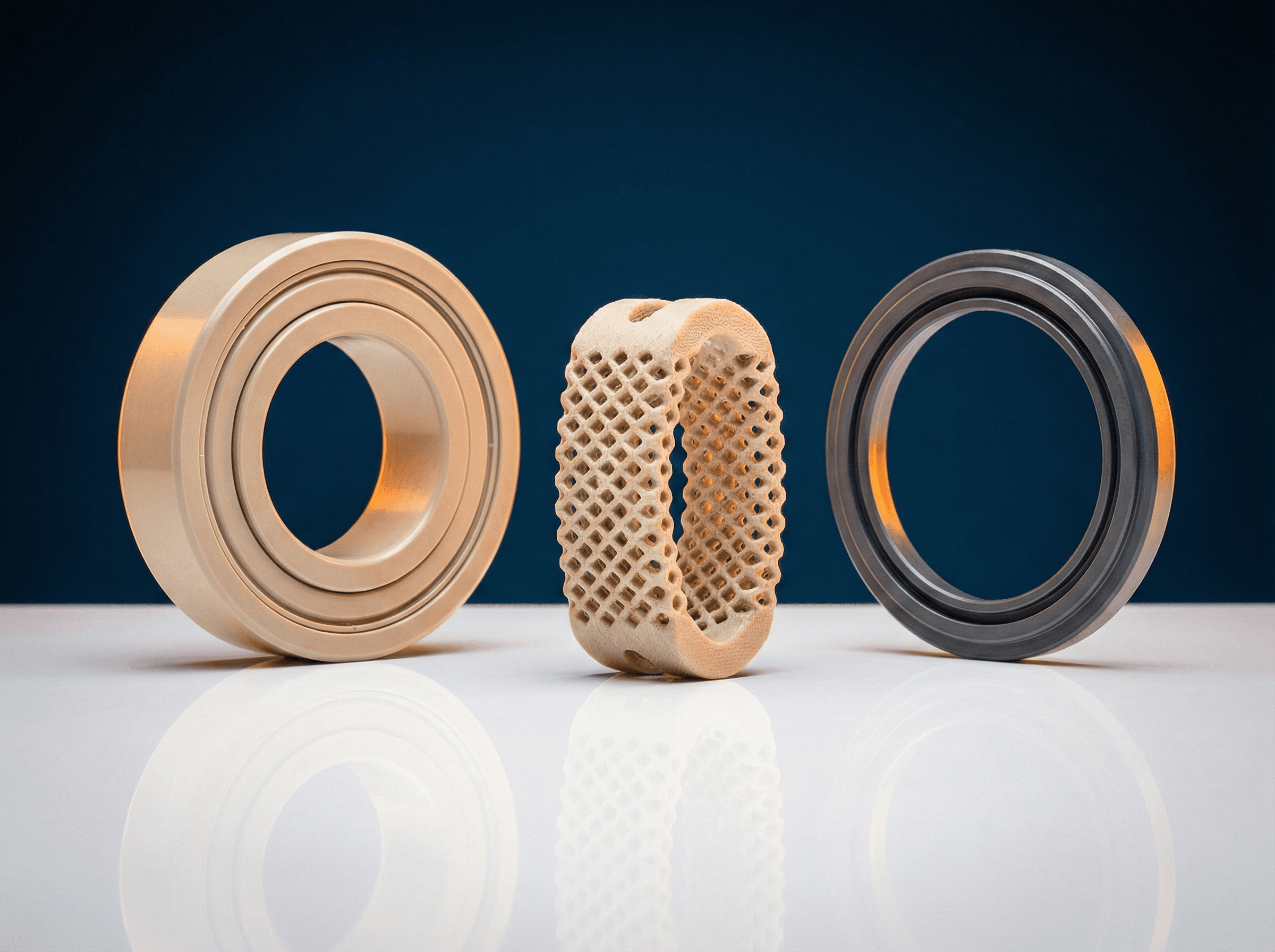
Engineering thermoplastic resins — ABS, PA, PC, POM, PBT, PPS, and PEEK — offer superior mechanical strength, thermal resistance, and dimensional stability compared to conventional resins. The global engineering plastics market reached USD 115 billion in 2024 (source: Grand View Research) and is projected to grow at 6.5% CAGR through 2030. These materials serve demanding applications in automotive, aerospace, electronics, and medical devices where performance requirements exceed what conventional resins can deliver.
Thermoplastic Resin Comparison
| Resin | Full Name | Key Property | View details |
|---|---|---|---|
| PE | Polyethylene | Chemical resistance, flexibility | View details |
| PP | Polypropylene | Fatigue resistance, low density | View details |
| PVC | Polyvinyl Chloride | Flame retardancy, durability | View details |
| PET | Polyethylene Terephthalate | Clarity, barrier properties | View details |
| PS | Polystyrene | Rigidity, optical clarity | View details |
| EVA | Ethylene Vinyl Acetate | Elasticity, UV resistance | View details |
| ABS | Acrylonitrile Butadiene Styrene | Impact strength, surface finish | View details |
| PA | Polyamide (Nylon) | Wear resistance, tensile strength | View details |
| PC | Polycarbonate | Impact resistance, optical clarity | View details |
| POM | Polyacetal (Delrin) | Dimensional stability, low friction | View details |
| PBT | Polybutylene Terephthalate | Electrical insulation, heat resistance | View details |
| PPS | Polyphenylene Sulfide | Chemical resistance at high temperatures | View details |
| PEEK | Polyether Ether Ketone | Continuous use up to 260°C | View details |
Frequently Asked Questions About Thermoplastic Resins
Conventional thermoplastic resins (PE, PP, PVC, PET, PS, EVA) are high-volume, lower-cost polymers used in commodity applications like packaging and construction. Engineering thermoplastic resins (ABS, PA, PC, POM, PBT, PPS, PEEK) offer superior mechanical strength, thermal resistance, and dimensional stability for demanding applications in automotive, aerospace, electronics, and medical devices. Engineering resins typically cost 2-10x more than conventional resins but deliver performance that justifies the premium in critical applications.
PEEK (Polyether Ether Ketone) has the highest continuous-use temperature among common thermoplastic resins, rated for sustained operation at 260°C (500°F). PPS (Polyphenylene Sulfide) follows with a continuous-use temperature of approximately 220°C. Among conventional resins, PET offers the best heat resistance at around 120°C for short-term exposure. For applications requiring extreme thermal performance, PEEK and PPS are the standard choices in aerospace and automotive under-hood components.
Polyethylene (PE) is the most widely used thermoplastic resin globally, with annual production exceeding 100 million metric tons. PE accounts for roughly 30% of all plastics demand worldwide. It is available in several grades — HDPE, LDPE, and LLDPE — each optimized for different applications from rigid containers to flexible films. Polypropylene (PP) is the second most produced thermoplastic, followed by PVC.
Several thermoplastic resins have FDA-compliant grades for food contact: PE (polyethylene) is widely used in food packaging films and containers; PP (polypropylene) is common in microwave-safe containers and bottle caps; PET (polyethylene terephthalate) is the standard for beverage bottles and food trays; and PC (polycarbonate) is used in reusable water bottles and food storage. Specific FDA compliance depends on the exact grade, additives, and intended use conditions. Syntex America can supply food-grade certified resins with full regulatory documentation.
Choosing the right thermoplastic resin requires evaluating five key factors: (1) Mechanical requirements — tensile strength, impact resistance, and flexural modulus needed for your application; (2) Thermal environment — continuous operating temperature and peak exposure temperatures; (3) Chemical exposure — which solvents, acids, or bases the part will contact; (4) Regulatory requirements — FDA food contact, UL flammability ratings, or medical-grade certifications; (5) Cost and volume — balancing material cost per kilogram against performance requirements. Syntex America's technical team can help you select the optimal resin for your specific application and processing method.
Yes, Syntex America supplies all 13 thermoplastic resins — PE, PP, PVC, PET, PS, EVA, ABS, PA, PC, POM, PBT, PPS, and PEEK — in bulk quantities from our Miami headquarters. We offer flexible payment terms (pay after you sell), competitive pricing through direct sourcing, and logistics support including freight forwarding, customs clearance, and delivery coordination. Whether you need a single container or recurring monthly shipments, our team provides quotes within 24 hours with full documentation and traceability.