
Key Benefits
- Lower raw-material cost — higher weight and volume yield without sacrificing performance
- Improved processability and flow in extrusion and injection moulding
- Higher stiffness, modulus and hot-tear strength
- Better surface printability, reduced plate-out and clean mould release
- Improved thermal stability and aging resistance
- Functional gains: anti-block, lower shrinkage and higher abrasion resistance
Masterbatch Portfolio
Syntex America supplies a complete masterbatch range — PP and PE CaCO3 filler masterbatch (70–85% calcium carbonate) for woven sacks, blown film, injection and extrusion; transparent filler masterbatch (BaSO4 / talc) for clear film; coated and uncoated CaCO3 powder (≥98.98%) for PVC, paint, paper and rubber; and a complete masterbatch line — white (rutile TiO2), black (carbon black) and custom color — all manufactured to ISO standards from high-purity limestone sources, with fast quotes and datasheets across the Americas.
PP CaCO3 Filler Masterbatch
The workhorse filler — high CaCO3 loading on a PP carrier for woven and moulded parts.
Applications: woven sacks, FIBC / jumbo bags, raffia, PP non-woven & spunbond, injection & blow moulding, BOPP & cement / agriculture bags.
| Grade | Manufacturer | CaCO3 % | Carrier | Application | Actions |
|---|---|---|---|---|---|
| CA-P12 | Asia Plastics (Asiaplas) | 60% CaCO3 | PP | Woven bag at 15–25% (also PP injection / extrusion at 5–30%). | |
| CA-P75K | Asia Plastics (Asiaplas) | 80% CaCO3 | PP | Woven bag at 8–18% (lamination grade; injection at 5–25%). | |
| CA-P75A | Asia Plastics (Asiaplas) | 80% CaCO3 | Polyolefin | Woven bag at 8–20% (universal filler; injection at 5–20%). | |
| Entira 1008 MB | Asia Plastics (Asiaplas) | 70% CaCO3 | Copolymer | 5–10% with CA-P12 in woven bag (process aid). | |
| CA-B33P | Asia Plastics (Asiaplas) | 70% CaCO3 | PP homopolymer | BOPP pearlized & white opaque film, PP sheet at 8–15%. | |
| NA-P75C | Asia Plastics (Asiaplas) | 75% CaCO3 (nano) | PP | PP injection & extrusion at 10–20% (high-impact parts). |
PP filler masterbatch: CaCO3 70–85% from high-purity limestone sources, 1–3 µm particle size (Malvern Mastersize 2000), MI 5–40 g/10 min (ASTM D1238 @ 230 °C / 2.16 kg), moisture < 0.12% (ASTM D644), granule 2–3 mm, density 1.6–1.9 g/cm³. MI shown per grade; NA-P75C uses nano-scale CaCO3 (40–80 nm). NCM 3824.99.90 applies to filler masterbatch.
PE CaCO3 Filler Masterbatch
High CaCO3 loading on a PE carrier for blown film and moulded goods.
Applications: shopping bags, garbage bags, blown film, injection moulding, breathable & heavy-duty film, PLA biopolymer products.
| Grade | Manufacturer | CaCO3 % | Carrier | Application | Actions |
|---|---|---|---|---|---|
| CA-E17 | Asia Plastics (Asiaplas) | 83% CaCO3 | PE | PE blown film at 10–30%. | |
| CA-E80 | Asia Plastics (Asiaplas) | 80% CaCO3 | PE | PE blown film at 10–40%. | |
| CA-W710 | Asia Plastics (Asiaplas) | 70% CaCO3 + 10% TiO2 | PE | PE blown film at 20–40% (white opacity). | |
| CA-E50X | Asia Plastics (Asiaplas) | 83% CaCO3 | PE | Heavy-duty sacks at 10–15%. | |
| CA-BR77 | Asia Plastics (Asiaplas) | 55% CaCO3 | Specialty PE | Breathable diaper film and breathable sheet compound (100% usage). | |
| CA-ST65 | Asia Plastics (Asiaplas) | 50% CaCO3 | TPE | Soft injection-moulding compound, hardness 65 Shore A (100% usage). | |
| Bio-K80J | Asia Plastics (Asiaplas) | 80% CaCO3 | Biopolymer (PLA) | PLA injection-moulding & extrusion products at 10–50%. |
PE filler masterbatch: CaCO3 70–85% from high-purity limestone sources, 1–3 µm particle size (Malvern Mastersize 2000), MI 5–40 g/10 min (ASTM D1238 @ 190 °C / 2.16 kg), moisture < 0.12% (ASTM D644), granule 2–3 mm, density 1.6–1.9 g/cm³. CA-BR77 (breathable), CA-ST65 (TPE compound) and Bio-K80J (PLA carrier) are specialty grades carried on non-PE bases as noted; MI shown per grade. NCM 3824.99.90 applies to filler masterbatch.
Transparent Filler Masterbatch
BaSO4 / talc filler that preserves clarity in PE and PP film.
Applications: transparent PE blown film, injection moulding, extrusion, laminated film (LLDPE/LDPE/HDPE/PP).
| Grade | Manufacturer | Filler % | Carrier | Application | Actions |
|---|---|---|---|---|---|
| Transparent Filler | Asia Plastics (Asiaplas) | 60–80% BaSO4 / Na2SO4 / talc | PP | Transparent PE/PP film at 5–20%. |
Transparent filler masterbatch: BaSO4 / Na2SO4 / talc 60–80%, 1–3 µm particle size, MI 5–40 g/10 min (ASTM D1238 @ 190 °C / 2.16 kg), moisture < 0.12%, density 1.45–1.6 g/cm³. Grade and loading confirmed at order.
Coated & Uncoated Calcium Carbonate Powder
High-purity ground calcium carbonate from white limestone.
Applications: PVC pipe & cable, paint, plastic packaging, printing & writing paper, rubber.
| Grade | Manufacturer | Purity (CaCO3) | Brightness | Application | Actions |
|---|---|---|---|---|---|
| Uncoated CaCO3 powder | Asia Plastics (Asiaplas) | ≥ 98.98% | ≥ 96.0% | PVC, paint, paper, rubber and plastic packaging. | |
| Coated CaCO3 powder | Asia Plastics (Asiaplas) | ≥ 98.98% | ≥ 96.0% | PVC compounds, polyolefin compounding and coatings. |
High-purity ground calcium carbonate from white limestone sources. Spec (min/max): CaCO3 ≥ 98.98%, MgCO3 ≤ 0.21%, Fe2O3 ≤ 0.02%, Al2O3 ≤ 0.03%, SiO2 ≤ 0.12%, brightness ≥ 96.0%, whiteness ≥ 97.0%, moisture ≤ 0.20%, oil absorption ≤ 25 g/100 g, raw density 2.7 g/cm³.
White Masterbatch (TiO2)
Highly-loaded rutile TiO2 for maximum opacity and whiteness.
Applications: woven sacks, bags, pipe, containers & boxes, films.
| Grade | Manufacturer | TiO2 % | Carrier | Application | Actions |
|---|---|---|---|---|---|
| White Masterbatch | Asia Plastics (Asiaplas) | Rutile TiO2 | Polyolefin | White concentrate for woven sacks, bags, pipe, containers and film; let-down per opacity target. |
Representative white masterbatch — rutile TiO2 on a polyolefin carrier, manufactured to ISO standards. Loading and carrier confirmed at order.
Black Masterbatch
High-quality carbon black on virgin PE for deep, consistent black.
Applications: garbage & carrier bags, chairs, cutlery, crates, planters, pipe.
| Grade | Manufacturer | Carbon black % | Carrier | Application | Actions |
|---|---|---|---|---|---|
| Black Masterbatch | Asia Plastics (Asiaplas) | Carbon black | Virgin PE | Black concentrate for garbage and carrier bags, chairs, cutlery, crates, planters and pipe; let-down per shade. |
Representative black masterbatch — carbon black on a virgin PE carrier, manufactured to ISO standards. Loading and carrier confirmed at order.
Color Masterbatch
Custom-matched pigment concentrates with high dispersion and fastness.
Applications: carrier bags (food & agriculture), extrusion coating, injection moulding, blow moulding.
| Grade | Manufacturer | Pigment load | Carrier | Application | Actions |
|---|---|---|---|---|---|
| Custom Color | Asia Plastics (Asiaplas) | Custom | Polyolefin | Custom colour matching for carrier bags, extrusion coating, injection and blow moulding; let-down per shade. |
Representative custom colour masterbatch — pigment, carrier and shade matched to your specification, manufactured to ISO standards. Loading confirmed at order.
End Markets
Industries We Serve
- Packaging & Flexible Films
- Food & Beverage Packaging
- Construction & Pipe Systems
- Agriculture Applications
- Automotive Components
- Industrial Manufacturing
Frequently Asked Questions
Calcium carbonate (CaCO3) masterbatch is a pre-dispersed pellet that carries a high loading of CaCO3 (typically 70–85%) on a polyolefin carrier. Adding it to your base resin lowers raw-material cost, improves processability and flow, and increases stiffness, modulus and surface quality. Syntex America supplies PP- and PE-carrier filler grades for woven sacks, blown film, injection and extrusion.
Filler masterbatch is calcium carbonate already dispersed into a polyolefin carrier as ready-to-use pellets — clean to handle and easy to meter directly into film, woven and moulding lines. CaCO3 powder is the raw ground calcium carbonate (≥98.98% purity, coated or uncoated) used in PVC, paint, paper and rubber compounding. Pellets give better dispersion and dosing control; powder gives the highest loading and lowest cost per kilo.
Typical let-down ratios are 10–40% for blown film and 5–30% for injection and extrusion, fed at a metered rate into the processing equipment. Adding CaCO3 masterbatch at 10–50% by weight increases toughness and impact strength. The optimal dosage depends on your resin, process and target properties — we can recommend a starting point per grade.
Coated calcium carbonate is surface-treated, typically with stearic acid, so the particles disperse more easily in polymers and pick up less moisture — preferred for filled compounds and demanding film. Uncoated calcium carbonate shares the same high-purity base chemistry (≥98.98% CaCO3) and is well suited to PVC, paint, paper and general filling. Both are offered from high-purity limestone sources.
Yes. For clear film we supply transparent filler masterbatch based on BaSO4 / talc (60–80% loading) that preserves clarity in PE and PP. For opacity and whiteness we supply white masterbatch based on rutile TiO2, plus black (carbon black) and custom color concentrates. Grade and loading are confirmed at order.
Depending on the grade and carrier, our CaCO3 masterbatch can meet food-contact requirements — polyolefin carriers are documented to FDA 21 CFR 177.1520. REACH and RoHS-type conformity statements can be provided on request. Documentation is supplied with the relevant grade at order.
MOQ depends on the grade and availability. Contact us for details.
Yes. We can support exports and provide logistics documentation.
Ready to spec a grade?
Market Intelligence & Supply Insights
Stay informed with updated perspectives on:
- Calcium carbonate & filler economics
- Masterbatch market trends
- Freight market dynamics
- Regional availability
- Global supply conditions
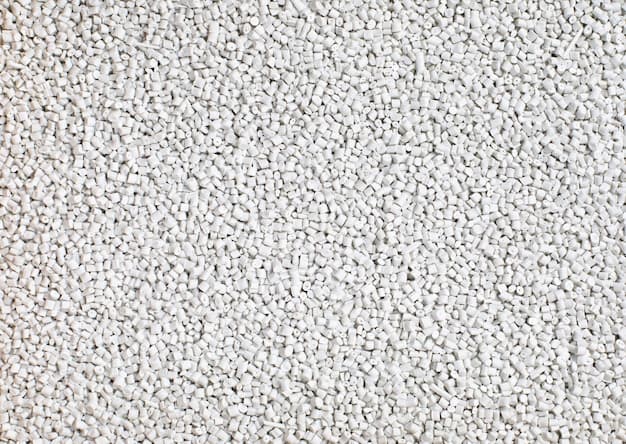

Syntex America combines commercial responsiveness with market intelligence to help customers make better sourcing decisions.
CaCO3 Filler vs Transparent vs White vs Black vs Color — At a Glance
| Property | CaCO3 Filler (PP/PE) | Transparent Filler | White (TiO2) | Black (CB) / Color |
|---|---|---|---|---|
| Base function | Cost reduction + stiffness | Cost reduction while keeping clarity | Opacity & whiteness | Deep, consistent black / custom shade |
| Active content | 70–85% CaCO3 | 60–80% BaSO4 / talc | Rutile TiO2 | Carbon black / custom pigment |
| Carrier | PP or PE | PP or PE | Polyolefin | Virgin PE / polyolefin |
| Typical loading / let-down | 10–40% (film), 5–30% (injection) | 5–20% | 2–8% let-down | 2–5% let-down |
| Key applications | Woven sacks, blown film, injection, extrusion | Clear PE/PP & laminated film | Sacks, bags, pipe, containers, films | Bags, crates, pipe, containers, coloured goods |
How to choose and dose a CaCO3 filler masterbatch
A four-step guide to matching a calcium carbonate masterbatch to your base resin and process, then setting the right let-down ratio for cost savings without sacrificing performance.
- Step 1
Match the carrier to your base resin
Pick the carrier that matches your polymer: a PP-carrier filler for polypropylene, a PE-carrier filler for polyethylene. When clarity matters, choose the transparent filler (BaSO4 / talc) instead of CaCO3.
- Step 2
Pick the loading grade by process
Match the grade to the application: high-flow grades (higher MI) for thin blown film and lamination, general-purpose grades for woven sacks, and finer particle grades for smooth surface and printability. Particle size runs 1–3 µm with MI 5–40 g/10 min.
- Step 3
Set the let-down ratio
Meter the masterbatch into the processing line at the recommended rate: typically 10–40% by weight for blown film and 5–30% for injection and extrusion. Addition at 10–50% by weight increases toughness and impact strength; start low and adjust to your cost and performance targets.
- Step 4
Confirm food-contact and spec at order
For regulated end-uses, confirm the food-contact, REACH and RoHS documentation for the chosen grade, and lock the final CaCO3 percentage, particle size and carrier on the production datasheet before placing the order.
Specifications
| Material Classification | Calcium carbonate filler masterbatch and CaCO3 powder for thermoplastics, manufactured to ISO standards |
|---|---|
| Test Methods | ASTM D1238 (melt index), ASTM D644 (moisture), Malvern Mastersize 2000 (particle size) |
| Filler Key Specs | CaCO3 70–85% in masterbatch; 1–3 µm particle; MI 5–40 g/10 min; moisture < 0.12%; granule 2–3 mm; density 1.6–1.9 g/cm³ |
| Powder Chemistry | CaCO3 ≥ 98.98%, brightness ≥ 96.0%, whiteness ≥ 97.0%, oil absorption ≤ 25 g/100 g |
| NCM Tariff Classification | 3824.99.90 (filler masterbatch); 2836.50 (calcium carbonate powder) |
Industry Standards & Compliance
Our calcium carbonate masterbatch and CaCO3 powder are manufactured to ISO quality standards and characterized by recognized test methods — melt index by ASTM D1238 and moisture by ASTM D644, with particle size measured by laser diffraction. Polyolefin carriers used in food-contact grades are documented to FDA 21 CFR 177.1520, and REACH and RoHS-type conformity statements are available on request. Because performance depends on your resin, formulation and process, you should perform your own tests to confirm that a given grade is suitable for your particular application and operating conditions before production use.
ASTM D1238
Standard test method for melt flow rate (melt index) of thermoplastics.
ASTM D644
Test method for moisture content, applied to the masterbatch and powder.
FDA 21 CFR 177.1520
U.S. food-contact regulation for olefin polymers used as carrier resins.
REACH / RoHS
Conformity statements on restricted and hazardous substances, available on request.
Related Products

Additives
Wide range of additive masterbatches for raffia bags, lamination, films, and injection molding. Processing aids, antislip, antiblock, antistatic, UV protection and more.

Titanium Dioxide
High-quality titanium dioxide pigments for paints, coatings, plastics, and more. Anatase and Rutile grades with excellent opacity, brightness retention, and dispersibility.
Polypropylene (PP) Resins
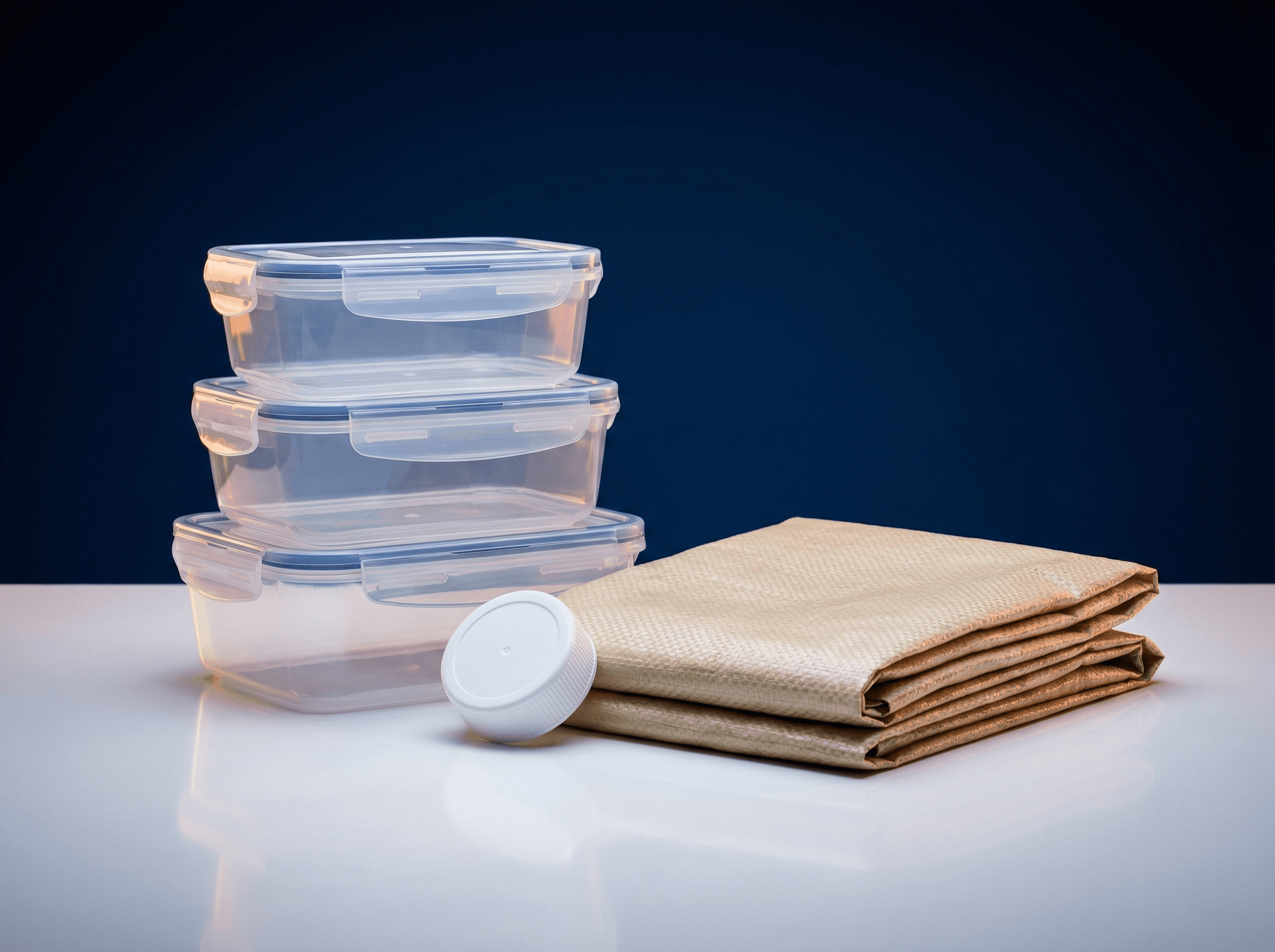
Polypropylene resin — homopolymer for BOPP, CPP, raffia, fiber and injection; random copolymer and PP-R pipe; and impact (block) copolymer. Grades from SCGC™, Oriental Energy, Sinopec and Hengli, with datasheets and fast quotes.